
Chinese Institute for Medical Research, Beijing.


Hansen Lab, Institute for Medical Physiology, Chinese Institute for Medical Research (CIMR), Beijing China. (see map)
The Hansen lab studies the molecular basis for cell excitability and its role in pain and Alzheimer's Disease. The Hansen lab has found lipids, in particular saturated fats and cholesterol, set the threshold for excitability. Hyper-excitability (over activation) of cells gives rise to unwanted pain, anxiety, and neurodegeneration.
Treatments for these diseases are shockingly limited, and their limits have been exasperated by a lack of molecular understanding. Solving this problem is a major scientific endeavor.
The Hansen lab has established an important underlying mechanism for excitability based on cholesterol. The cholesterol sets the threshold for spatial distribution of proteins, and the spatial distribution dictates the proteins' function. By studying the function of molecules in their 2D state (spatial biology) the Hansen lab has established a molecular basis for inhaled anesthesia, membrane mediated mechanosensation, and amyloid production in AD. These discoveries are being translated into drug discovery endeavors to treat disease.



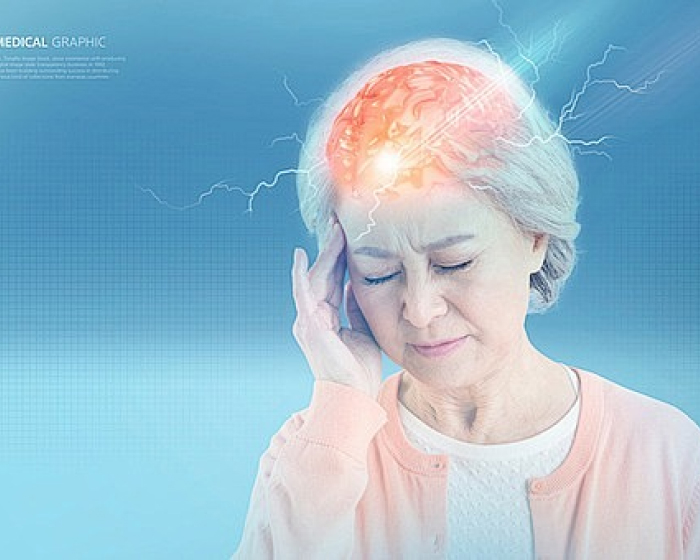
Alzheimer's disease (AD) is a devastating neurodegenerative disease affecting millions worldwide. Most therapeutic approaches to date have targeted removal of AB plaques, an approach tailored to early onset familial AD. However, late-onset AD (the most common form of AD) is characterized by the presence of apoE4 protein (a native cholesterol transport protein).
Inhaled anesthetics are the main tools for reversing consciousness and blocking pain during surgery in humans. For centuries their properties suggested an interaction with the lipid membrane, but a mechanism remained elusive. The Hansen lab has discovered inhaled anesthetics compete with lipids for a lipid binding site comprised of ordered lipids.

To sustain life, the heart constantly beats with a dynamically controlled threshold. Bad diets have produced an epidemic of heart disease. Potassium channels, including inward rectifier 2 (Kir2) are key proteins that set the threshold for the beating of a heart. The Hansen lab has found that cholesterol sequesters Kir2 from its activating lipid phosphatidylinositol 4,5 bis phosphate (PIP2).