
首都医学科学创新中心


中国医学研究院医学生理研究所汉森实验室,中国北京。(见地图)
汉森实验室研究细胞兴奋性的分子基础及其在疼痛和阿尔茨海默病中的作用。汉森实验室发现,脂质,特别是饱和脂肪和胆固醇,为兴奋性设定了阈值。细胞的过度兴奋(过度激活)会导致不必要的疼痛、焦虑和神经退行性变。
这些疾病的治疗非常有限,而且由于缺乏对分子的了解,它们的局限性更加严重。解决这个问题是一项重大的科学努力。
汉森实验室已经建立了一种基于胆固醇的兴奋性的重要潜在机制。胆固醇为蛋白质的空间分布设定了阈值,而空间分布决定了蛋白质的功能。通过研究分子在2D状态下的功能(空间生物学),汉森实验室为吸入麻醉、膜介导的机械感觉和AD中淀粉样蛋白的产生奠定了分子基础。这些发现正在转化为治疗疾病的药物发现努力。



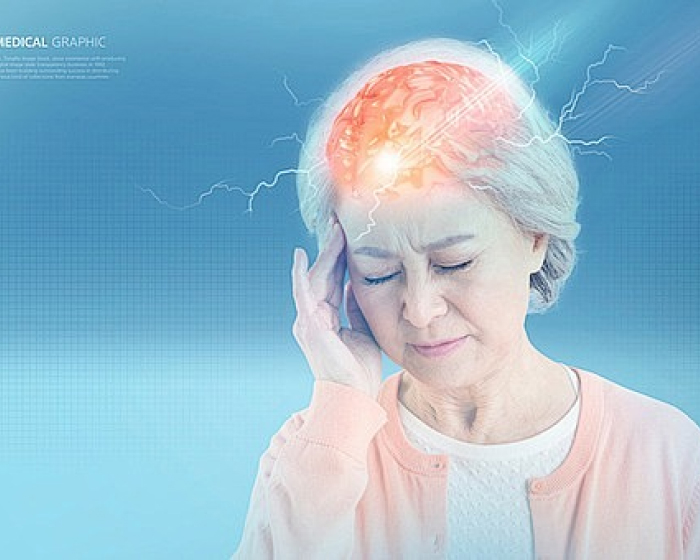
Alzheimer's disease (AD) is a devastating neurodegenerative disease affecting millions worldwide. Most therapeutic approaches to date have targeted removal of AB plaques, an approach tailored to early onset familial AD. However, late-onset AD (the most common form of AD) is characterized by the presence of apoE4 protein (a native cholesterol transport protein).
Inhaled anesthetics are the main tools for reversing consciousness and blocking pain during surgery in humans. For centuries their properties suggested an interaction with the lipid membrane, but a mechanism remained elusive. The Hansen lab has discovered inhaled anesthetics compete with lipids for a lipid binding site comprised of ordered lipids.

To sustain life, the heart constantly beats with a dynamically controlled threshold. Bad diets have produced an epidemic of heart disease. Potassium channels, including inward rectifier 2 (Kir2) are key proteins that set the threshold for the beating of a heart. The Hansen lab has found that cholesterol sequesters Kir2 from its activating lipid phosphatidylinositol 4,5 bis phosphate (PIP2).